
Everyday Vitality Through Nutrition
Understanding vitamins, minerals, and balanced eating habits for consistent daily wellness
Welcome to Everydayvigorsd
This educational resource explores the fundamental concepts of nutrition that support everyday life. Learn about the essential vitamins, minerals, and dietary elements that form the foundation of balanced eating habits and general daily sustenance.
This site provides informational content about nutrition. It is not medical advice, diagnosis, or treatment.
Quick Nutrition Categories
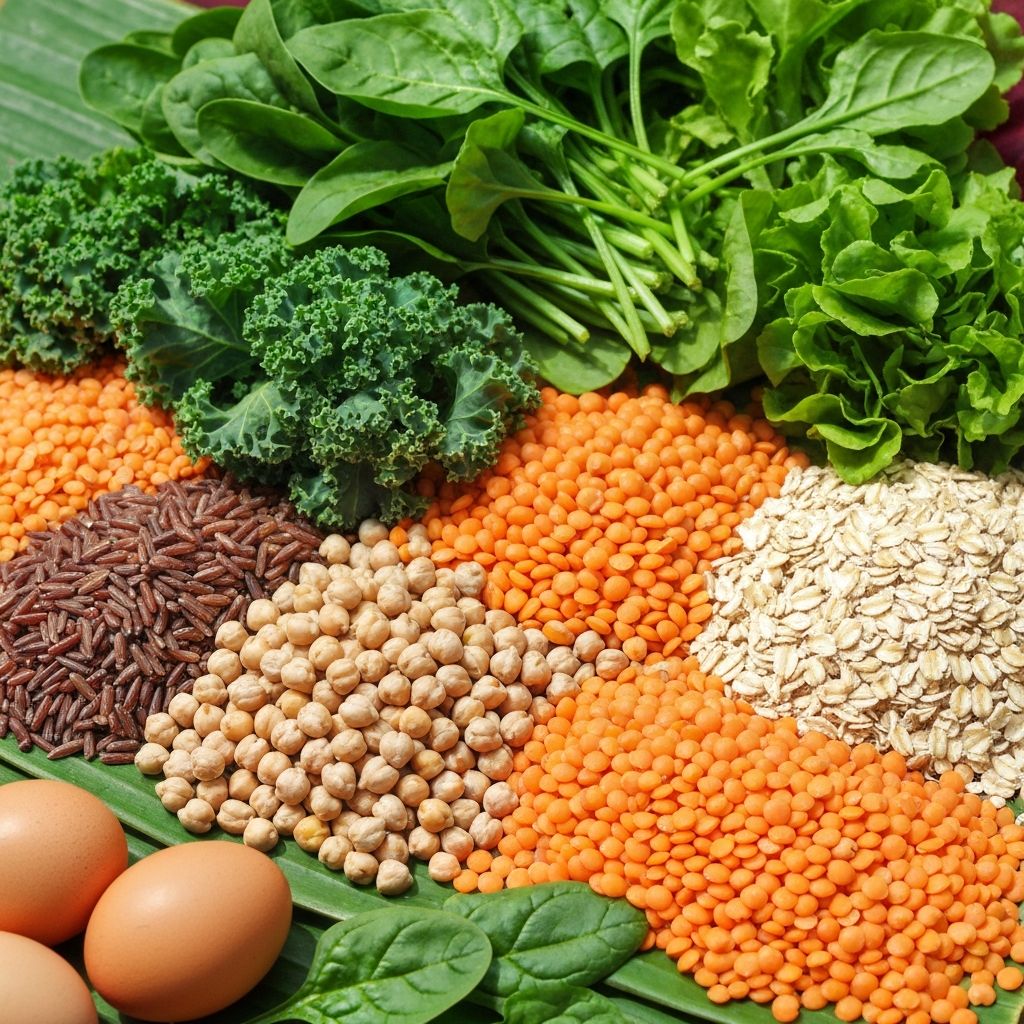
Explore the roles of different vitamin groups in normal body function and their natural dietary sources.
Discover more
Learn about key minerals in typical nutrition and how common foods provide these essential elements.
Discover more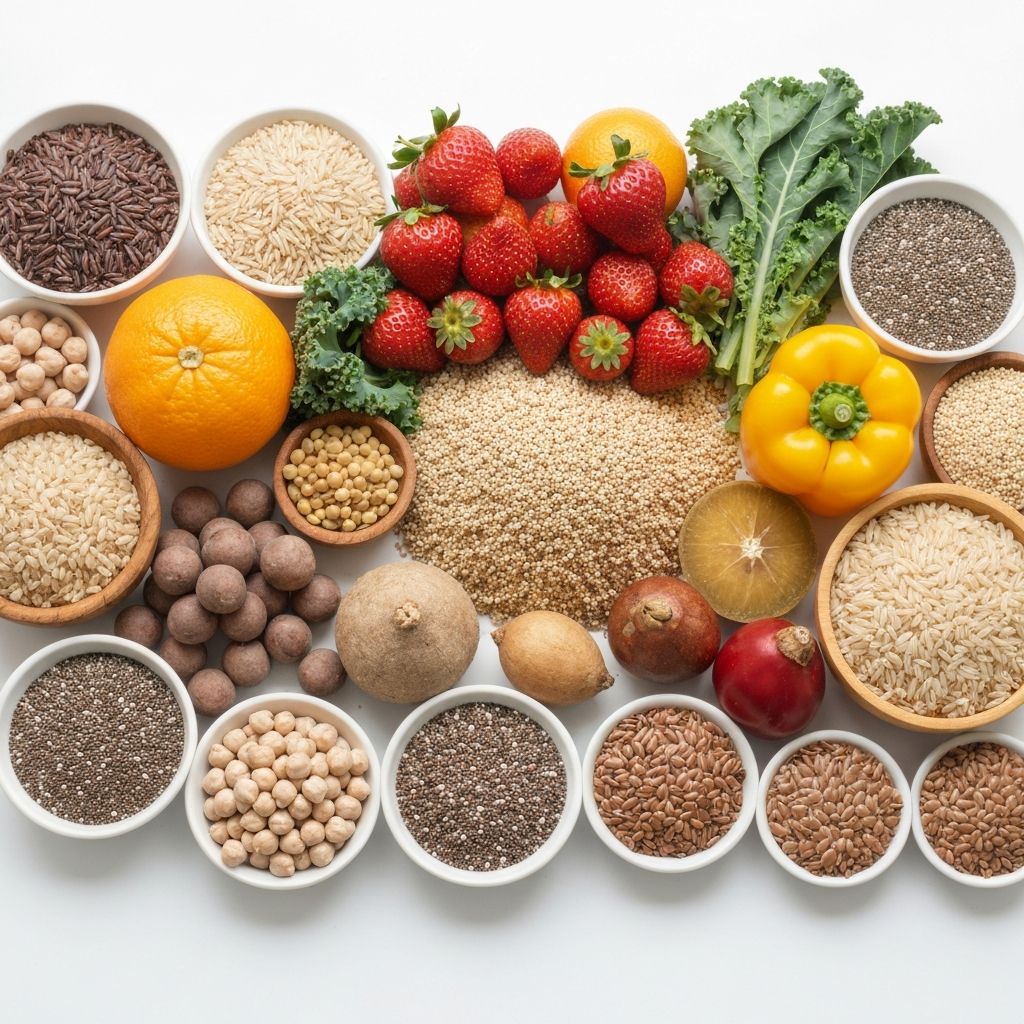
Understand dietary components like fiber and other elements that support general nutritional balance.
Discover moreVigorous Daily Eating Patterns in Indonesia
Everyday Indonesian cuisine naturally incorporates diverse nutritional elements through traditional foods and eating practices. Understanding common eating patterns helps illustrate how balanced nutrition integrates naturally into daily life.
- Diverse plant and animal sources combined in single meals
- Seasonal produce utilization and dietary variety
- Traditional preparation methods that preserve nutrients
- Integration of legumes, vegetables, grains, and seafood

Natural Sources: Vitamin D Precursors and Forms
| Food Sources | General Characteristics | Typical Usage in Diets |
|---|---|---|
| Fatty Fish (Salmon, Mackerel, Sardines) | Contains D3 naturally | Regular dietary component in coastal regions |
| Egg Yolks | Moderate natural content | Common in everyday meals globally |
| Mushrooms (exposed to sunlight) | D2 production when sun-exposed | Fresh ingredient in many cuisines |
| Fortified Dairy Products | Intentionally added support | Part of modern food systems |
| Fortified Plant-Based Milks | Supplemented addition | Alternative dairy options |

Key Trace Minerals in Common Foods
- Iron: Red meat, legumes, leafy greens, fortified grains
- Zinc: Oysters, beef, pumpkin seeds, chickpeas
- Selenium: Brazil nuts, seafood, whole grains, eggs
- Copper: Shellfish, nuts, seeds, whole grains
- Manganese: Nuts, legumes, tea, whole grains
- Iodine: Seaweed, seafood, iodized salt
Movement and General Nutrient Use
Daily physical activity influences how the body utilizes various nutritional elements. Understanding this relationship helps explain why balanced nutrition and movement are often discussed together in general wellness contexts.
Active daily routines—walking, cycling, light exercise—complement dietary diversity by supporting normal metabolic function and overall vitality.

Whole Foods vs General Isolates: A Neutral Comparison
| Aspect | Whole Foods | General Isolates |
|---|---|---|
| Nutrient Profile | Multiple nutrients in natural ratios | Single or concentrated elements |
| Absorption Context | Accompanied by fiber and cofactors | Isolated delivery mechanism |
| Dietary Integration | Central to varied eating patterns | Supplement to existing diet |
| Cost and Accessibility | Variable by region and season | Standardized pricing and availability |
| Role in Contemporary Nutrition | Foundation of most diets globally | General category in modern food systems |
Indonesian and Global Dietary Guidance Principles
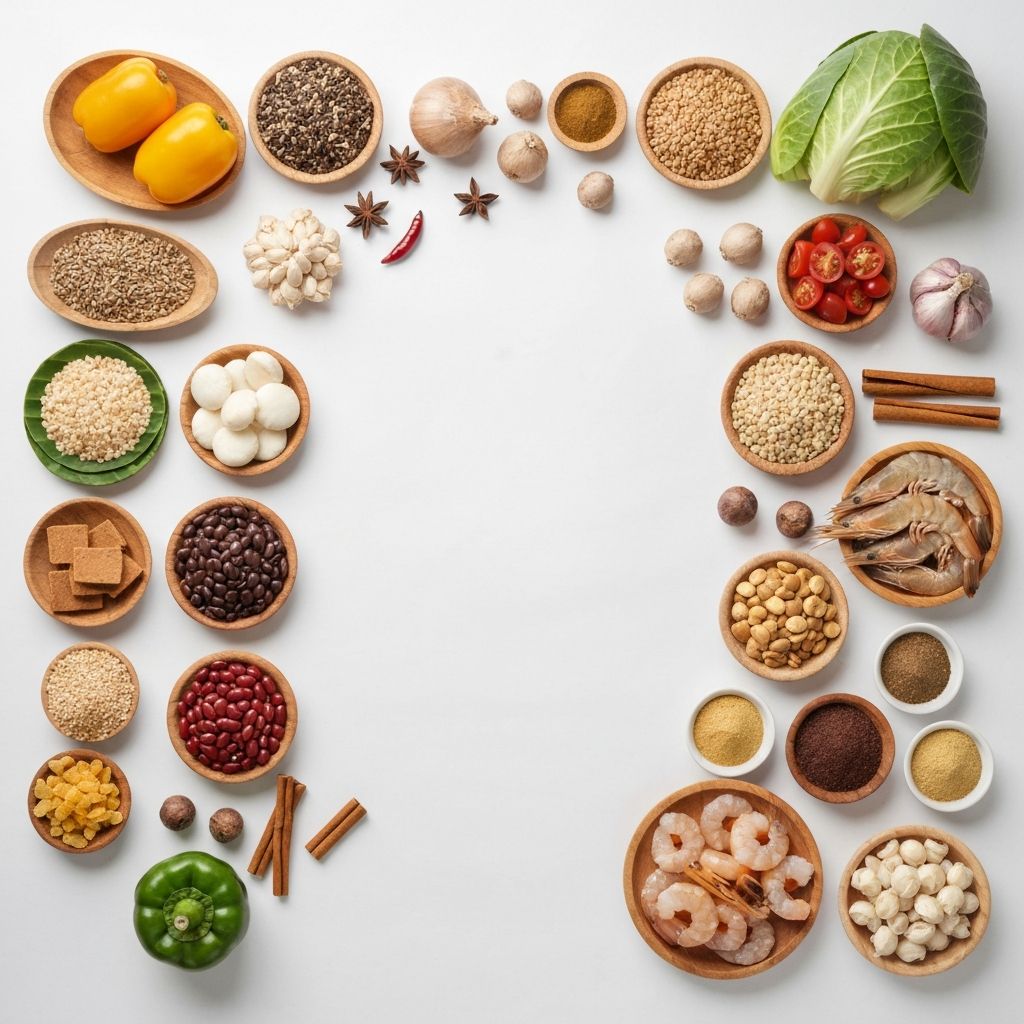
Major dietary guidance frameworks from national and international organizations emphasize consistent principles:
- Variety across food groups and colors
- Whole grains over refined options
- Legumes as regular nutritional anchors
- Fresh vegetables and fruits at multiple meals
- Protein from diverse sources (animal and plant)
- Healthy fats from natural sources
- Limited processed foods and additives
Common Myths About Routine Nutritional Support
Fact vs. Common Misconception
Myth: "All nutrients come only from supplements."
Fact: Most nutrients in human diets historically came—and continue to come—from food sources. Supplements represent a modern option, not a replacement for food diversity.
Fact vs. Common Misconception
Myth: "More nutrients mean faster or better results."
Fact: Balance and consistency matter more than excess. The body has established needs and utilization patterns developed over evolutionary time.
Fact vs. Common Misconception
Myth: "All nutrient sources are absorbed identically."
Fact: Absorption varies based on source, form, presence of cofactors, individual physiology, and food combinations—a neutral, scientifically documented phenomenon.
Fact vs. Common Misconception
Myth: "One food or supplement can meet all nutritional needs."
Fact: Dietary diversity—across plant and animal sources—is consistently emphasized as the foundation of balanced nutrition.
Limitations and Context
Important Notice
The materials on this site are informational in nature only. They describe general functions of nutrients, common food sources, and established principles of dietary guidance. This content:
- Does not constitute medical advice, diagnosis, or treatment
- Does not replace consultation with qualified healthcare professionals
- Does not provide individualized recommendations
- Recognizes that dietary approaches vary based on individual health, preferences, and circumstances
- Does not promise or suggest specific outcomes related to health states or physical changes
For personal health decisions, dietary concerns, or medical matters, please consult with appropriate professionals.
Keep Fueling Your Knowledge
Continue exploring nutrition fundamentals through our available resources: