
B-Vitamin Complex Group
The B-vitamin family comprises eight distinct water-soluble vitamins that play interconnected roles in normal metabolic pathways and energy utilization within the body.
Understanding B-Vitamins
B-vitamins function as coenzymes—chemical helpers that enable various metabolic reactions. Each B-vitamin has distinct roles within these processes:
- B1 (Thiamine): Participates in carbohydrate metabolism
- B2 (Riboflavin): Involved in energy production pathways
- B3 (Niacin): Supports energy and DNA functions
- B5 (Pantothenic Acid): Plays role in hormone and cholesterol synthesis
- B6 (Pyridoxine): Essential for amino acid metabolism
- B7 (Biotin): Supports protein, fat, and carbohydrate metabolism
- B9 (Folate): Critical for DNA synthesis and cell division
- B12 (Cobalamin): Essential for nerve function and red blood cell formation
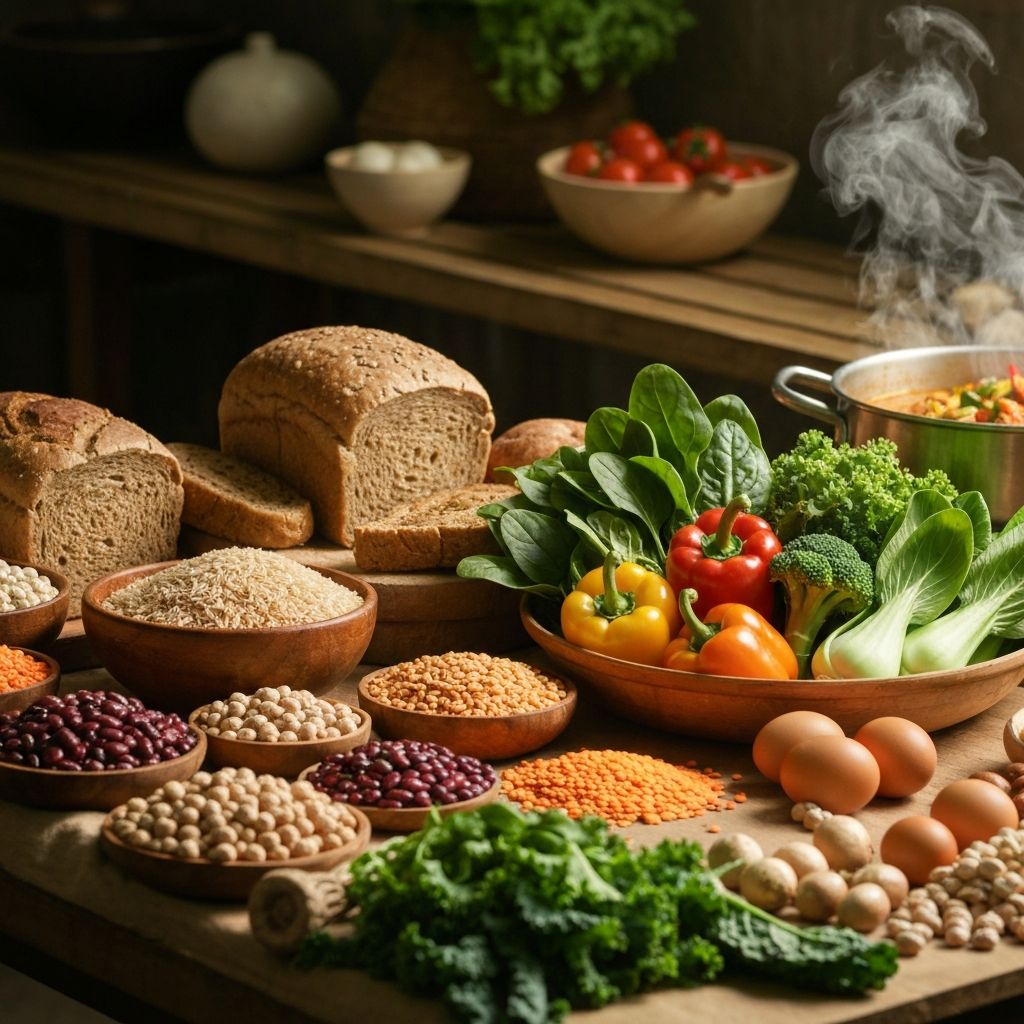
Natural Dietary Sources of B-Vitamins
| Food Category | Common Sources | B-Vitamins Present |
|---|---|---|
| Whole Grains | Brown rice, oats, whole wheat bread, millet | B1, B3, B5, B7, B9 |
| Legumes | Lentils, chickpeas, black beans, peanuts | B1, B2, B5, B6, B9 |
| Animal Proteins | Chicken, beef, fish, eggs | B2, B3, B5, B6, B12 |
| Leafy Greens | Spinach, kale, collard greens, lettuce | B2, B5, B9 |
| Nuts and Seeds | Almonds, sunflower seeds, walnuts | B1, B2, B5, B7 |
| Mushrooms | Shiitake, portobello, oyster mushrooms | B2, B3, B5, B7 |
Geographic and Population Variations
B-vitamin intake patterns vary across populations based on traditional diets and food availability:
- Populations with high grain consumption typically meet B1, B3, and B5 needs through staple foods
- Legume-centered diets provide significant B-vitamin contributions
- Seafood-consuming populations access B12 more readily from natural sources
- Vegetarian and vegan diets may require more deliberate sourcing for B12
- Fortification practices vary by country and affect overall population intake
Limitations and Context
About This Information
This page provides factual, educational information about B-vitamins and their dietary sources. It:
- Describes general, established nutritional science
- Does not constitute medical advice or individual recommendations
- Does not suggest therapeutic outcomes or promises regarding B-vitamin intake
- Recognizes that individual nutritional needs vary based on age, activity, health status, and other factors
- Does not replace professional consultation for specific health concerns
For personalized guidance on B-vitamin intake, consult with a healthcare or nutrition professional.